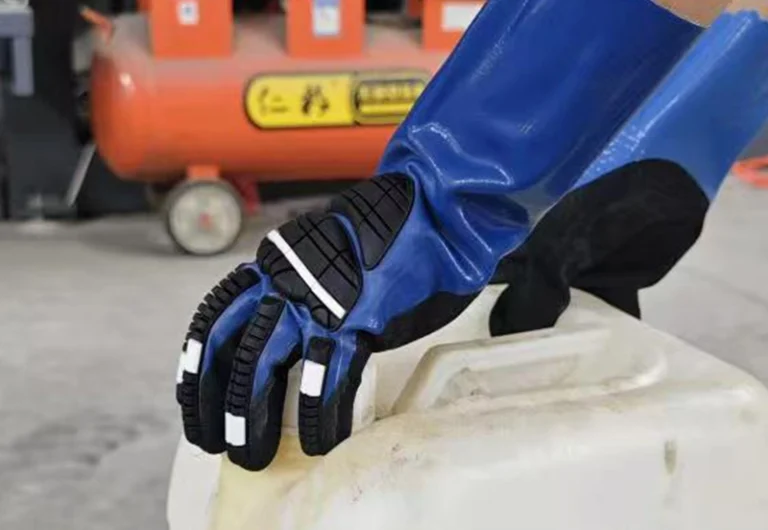
Hands are among the most used — and most vulnerable — parts of the body in industrial workplaces. From construction and manufacturing to maintenance and logistics, workers are exposed to risks like cuts, burns, chemical exposure, impact injuries, and vibrations. Implementing proper hand safety practices is critical to reducing accidents and improving workplace efficiency.
Here are 10 essential practices to protect hands on the job:
1. Wear the Right Safety Gloves for the Task
Not all gloves are created equal. Choose gloves specifically designed for the job:
-
Cut-resistant gloves for sharp tools or materials
-
Chemical-resistant gloves for handling hazardous substances
-
Impact gloves for heavy machinery
-
Nitrile-coated gloves for grip and oil resistance
-
Anti-vibration gloves for power tool use
Always refer to EN 388, EN 511, or EN ISO 374 standards when selecting gloves.
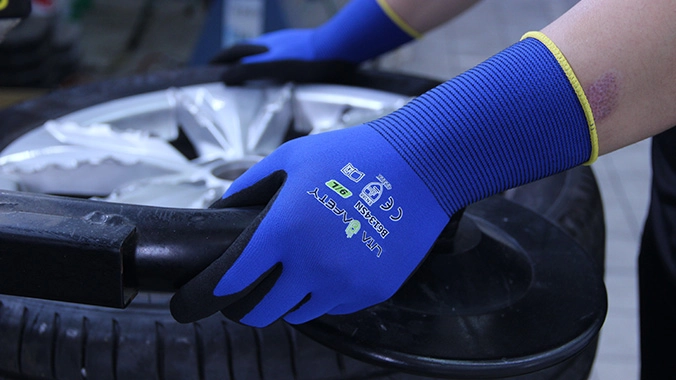
2. Inspect Gloves Before Use
Check for tears, holes, or worn-out areas. Even a small defect can compromise protection and lead to injury. If the gloves are damaged, replace them immediately.
3. Keep Hands Clean and Dry
Before putting on gloves, make sure your hands are clean and dry. This helps avoid skin irritation and improves glove fit and comfort.
4. Ensure Proper Glove Fit
Wearing gloves that are too loose or too tight can hinder movement and reduce protection. Choose the correct size for better grip, dexterity, and safety.
5. Train Workers on Proper Glove Use
Workers should understand when and how to wear protective gloves. Training should also include how to remove gloves safely to prevent contamination, especially when handling chemicals or biohazards.
6. Avoid Jewelry or Loose Clothing
Rings, bracelets, and baggy sleeves can get caught in machinery or cause gloves to tear. Remove jewelry and secure sleeves before starting work.
7. Be Cautious Around Machinery
Never wear gloves near rotating equipment like drills, saws, or lathes unless they’re specifically rated for that use. Gloves can get caught and cause severe injury.
8. Store Gloves Properly
Keep gloves in a clean, dry area away from heat, sunlight, and chemicals. Proper storage extends glove life and ensures they’re ready for the next use.
9. Know When to Replace Gloves
Overused gloves lose their protective properties. Set up a routine to assess glove condition and establish replacement intervals based on usage frequency and environment.
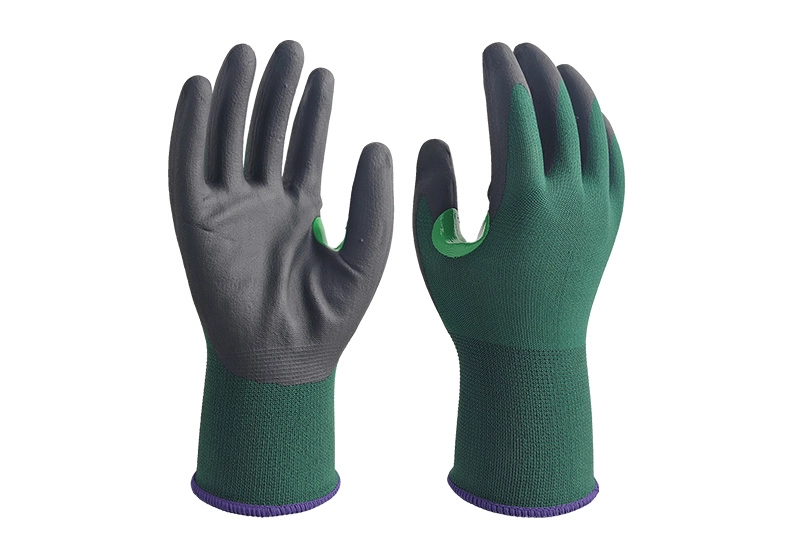
10. Choose Certified Gloves from Trusted Manufacturers
Select gloves that comply with international standards and are made by reliable brands like LITA SAFETY. High-quality materials and proper certification ensure maximum protection in high-risk environments.
Partner with LITA SAFETY
LITA SAFETY is a professional safety glove manufacturer in China, providing high-spec industrial gloves to over 60 countries. From cut resistance to chemical protection, our products meet the most rigorous testing standards.
We also offer OEM/ODM services for wholesalers and distributors worldwide, helping you build your brand with reliable, certified safety products.
Email us at info@litasafety.com to learn more.