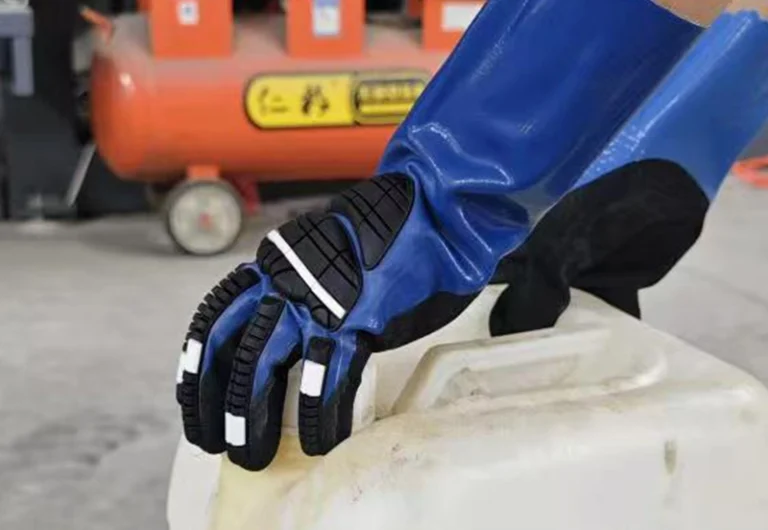
In industries where workers are exposed to hazardous chemicals, choosing the right protective gloves is critical. Chemical resistant gloves are specially designed to safeguard hands from harmful substances such as acids, solvents, oils, and other toxic materials. This guide explains everything you need to know about chemical resistant gloves, including materials, standards, applications, and how to choose the right pair for your needs.
What Are Chemical Resistant Gloves?
Chemical resistant gloves are personal protective equipment (PPE) designed to provide a barrier between the skin and hazardous chemicals. They are used in various industries such as:
-
Chemical processing
-
Oil and gas
-
Laboratories
-
Agriculture and pesticide handling
-
Automotive and mechanical repair
-
Industrial cleaning and sanitation

Common Glove Materials and Their Chemical Resistance
Different glove materials offer protection against different chemical types. Here are the most commonly used materials:
1. Nitrile
-
Resistant to oils, greases, acids, and many solvents
-
Durable and puncture-resistant
-
Latex-free, suitable for users with latex allergies
2. Latex (Natural Rubber)
-
Good elasticity and dexterity
-
Provides protection against water-based chemicals
-
Not suitable for people with latex sensitivity
3. Neoprene
-
Protects against acids, caustics, alcohols, and some solvents
-
Flexible and comfortable to wear
4. PVC (Polyvinyl Chloride)
-
Suitable for handling acids, fats, and petroleum hydrocarbons
-
Economical and waterproof
5. Butyl Rubber
-
Excellent for use with ketones, esters, and strong acids
-
High impermeability to gases and vapors
6. Viton
-
High resistance to chlorinated and aromatic solvents
-
Used in highly specialized environments

Understanding EN 374: Chemical Glove Safety Standard
The EN 374 standard specifies the requirements for chemical protective gloves in Europe. It tests for:
-
Permeation resistance: How long a chemical takes to pass through the glove material
-
Penetration resistance: Whether the glove material has holes or weak spots
-
Degradation: The physical change in material after chemical exposure
Gloves are rated with a code (A, B, C, etc.), each corresponding to a specific chemical and its resistance level.
Example: A glove rated EN 374-1:2016 / Type A means it has high resistance to six or more chemicals from the test list.
Key Considerations When Choosing Chemical Resistant Gloves
When selecting the right gloves, consider:
-
Type of chemical: Match glove material to the chemical used
-
Exposure time: Longer exposure may require higher resistance
-
Glove thickness: Thicker gloves usually offer more protection, but may reduce dexterity
-
Grip and dexterity: Essential for handling tools or delicate equipment
-
Comfort and fit: A proper fit ensures better safety and longer wear time
Applications of Chemical Resistant Gloves
Chemical gloves are essential in:
-
Pharmaceutical production
-
Industrial manufacturing
-
Paint and coating applications
-
Waste management and disposal
-
Laboratory research
-
Pest control and agriculture

Why Choose LITA SAFETY Chemical Gloves?
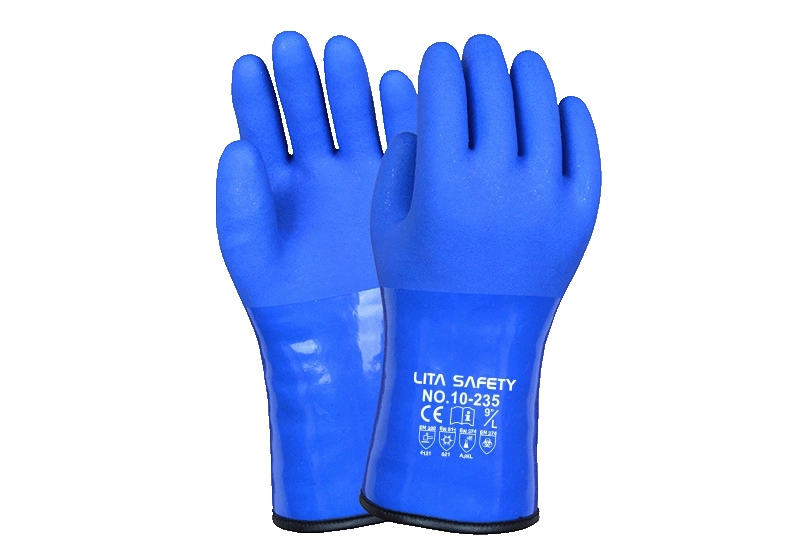
At LITA SAFETY, we provide a wide range of chemical-resistant gloves that meet international safety standards like EN 374 and CE certification. Our gloves are:
-
Designed for durability and superior protection
-
Available in various materials to suit different chemical hazards
-
Manufactured with high comfort, flexibility, and grip in mind
-
Offered with OEM/ODM services to wholesalers and safety brands worldwide
Contact LITA SAFETY today at info@litasafety.com to request a quote or explore our full range of PPE hand protection solutions.